Piloting the digitisation of museum artefacts across units under the Ministry
Based on the approved digital transformation plan, units are focusing on carrying out their assigned tasks.
Digitisation follows a priority order, starting with the most valuable items. Digital materials are backed up in several locations per archival regulations.
Approach and roadmap
Visitors can look up artefact information directly on their phones.
- Train digital skills for officials and public employees.
- Ensure information security and personal data protection as required.
- Connect and share data with national shared systems.
Each artefact is photographed from many angles with detailed descriptions attached.
In the coming time, units will continue to review processes and add resources to keep to the set schedule.
Related News
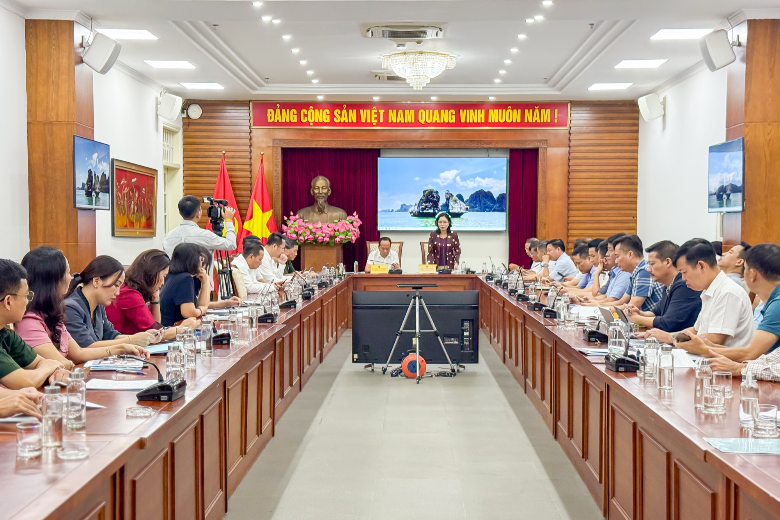
Khẩn trương hoàn thiện công tác chuẩn bị Ngày hội Văn hóa dân tộc Mông lần thứ IV
Ngày 21/8, tại trụ sở Bộ VHTTDL, Thứ trưởng Bộ VHTTDL Trịnh Thị Thủy và Phó Chủ tịch UBND tỉnh Điện Biên Nguyễn Minh Phú chủ trì cuộc họp Ban Chỉ đạo, Ban Tổ...
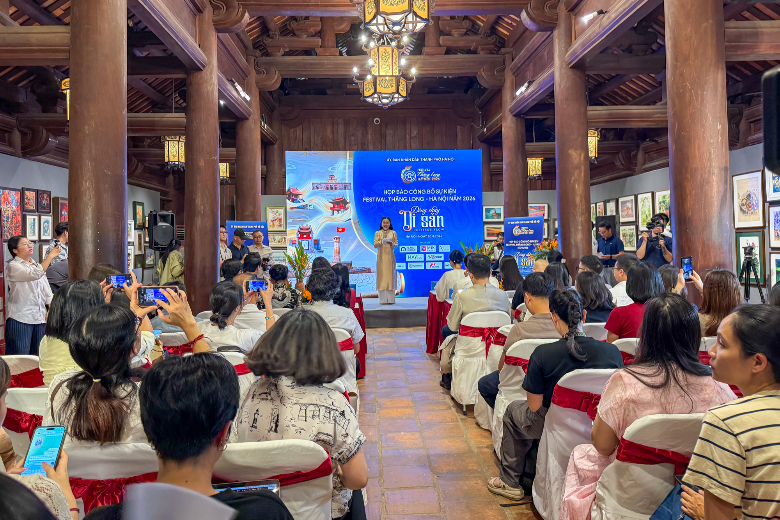
Kết nối di sản, nghệ thuật và sáng tạo tại Festival Thăng Long - Hà Nội 2026
Ngày 20/8, Sở Văn hóa, Thể thao và Du lịch Hà Nội tổ chức họp báo giới thiệu Festival Thăng Long - Hà Nội lần thứ II năm 2026 với chủ đề "Dòng chảy di sản -...

Những Ngày phim Việt Nam chào mừng kỷ niệm 81 năm Cách mạng tháng Tám và Quốc khánh 2/9
Những Ngày phim Việt Nam chào mừng kỷ niệm 81 năm Cách mạng tháng Tám (19/8/1945 - 19/8/2026) và Quốc khánh nước CHXHCN Việt Nam (02/9/1945 - 02/9/2026) do...
In the same category
Improving the artefact management software across units under the Ministry
Digitisation follows a priority order, starting with the most valuable items. Each artefact is photographed from many angles with detailed descriptions attached.
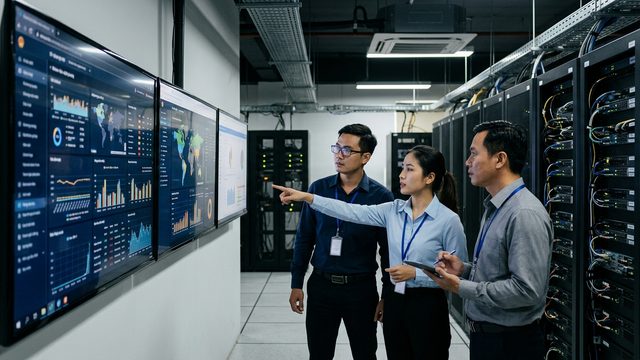
Synchronising data for the artefact management software across units under the Ministry
Digital records reduce the need to move original artefacts, limiting the risk of damage. Digitisation results are reused for heritage education in schools.
Piloting the digitisation of museum artefacts serving citizens and businesses
Each artefact is photographed from many angles with detailed descriptions attached. Digitisation results are reused for heritage education in schools.

Putting into operation scientific records of national relic sites in all 63 provinces and cities
Each artefact is photographed from many angles with detailed descriptions attached. Digitisation follows a priority order, starting with the most valuable items.
Improving automated narration at relic sites across units under the Ministry
Digital records reduce the need to move original artefacts, limiting the risk of damage. Digitisation results are reused for heritage education in schools.